Switzerland Lump Sum Taxation: 2026 Guide to Residence by Tax Agreement
Switzerland lump sum taxation (Besteuerung nach dem Aufwand or forfait fiscal) is the closest thing Switzerland has to a golden visa. You do not buy property, fund a project or deposit capital. Instead, a canton agrees to tax you on your worldwide living expenses rather than your income and wealth, at ordinary rates. For non-EU nationals, the canton can then argue that your tax bill is an "important cantonal fiscal interest" that justifies a residence permit.[2] For tax year 2026 the federal minimum expenditure base is CHF 435,000.[1] Among cantons that set a fixed floor, cantonal minimums run from CHF 200,000 in Jura to CHF 647,100 in Lucerne; Thurgau instead sets a minimum cantonal and communal tax of CHF 150,000 a year.[30][11][31] The scheme is still offered in 21 of the 26 cantons.[20]
This guide, verified on 2 October 2026, explains how the regime and the matching residence permits work for EU/EFTA and non-EU nationals. It covers what you actually pay each year canton by canton, the immigration conditions, family rules, the process and timeline, the wider tax picture, and the long route to a Swiss C permit and naturalisation. It also covers what changed in 2025–2026.
Last verified:
Program overview: a tax regime plus a residence permit
Switzerland has no golden visa in the usual sense. There is no statute that swaps a fixed investment for a residence permit, and the Federal Office of Justice warns that owning Swiss property does not in itself give any right to residence.[17] What exists is a combination of two separate legal tools:
- A tax regime. Expenditure-based taxation under Art. 14 of the Federal Direct Tax Act (DBG/LIFD) and Art. 6 of the Tax Harmonisation Act, mirrored in each canton's tax law. The Swiss Federal Tax Administration (ESTV) sets the federal rules (Circular No. 44, in force since the 2016 reform). Cantonal tax offices negotiate and assess individual cases.[21][20]
- An immigration basis. EU/EFTA citizens can live in Switzerland without working under the Agreement on the Free Movement of Persons (AFMP) if they have sufficient means and full health insurance.[3] Non-EU nationals need either the retiree permit (Art. 28 of the Foreign Nationals and Integration Act, AIG, from age 55) or a permit for "important public interests" (Art. 30(1)(b) AIG with Art. 32(1)(c) of the Admission Ordinance, VZAE), which covers "considerable cantonal fiscal interests".[2]
In practice, people say "Swiss golden visa" or "lump-sum permit" to mean a non-EU national who agrees a high lump-sum tax with a canton, which then grants a B residence permit on fiscal-interest grounds. The cantonal migration office decides, with wide discretion. Nobody has a legal right to this permit.[2]
The regime is small and getting smaller, but it brings in more money. Federal figures reported by Blick in August 2026 show 3,478 lump-sum taxpayers in 2022, the latest year with national data, down from 5,634 in 2012. Blick's own survey of the cantons found that Valais (841), Ticino (725), Vaud (706) and Geneva (520) host the most. Revenue has still grown: Ticino alone collected CHF 189.5 million in 2024, CHF 71 million more than in 2016.[22] A federal initiative to abolish the regime nationwide failed on 30 November 2014, with 59.2% voting no.[25]
Switzerland residency by investment: the routes that exist
| Route | Who it is for | Legal basis | Financial test | Can you work? |
|---|---|---|---|---|
| Lump-sum taxation + fiscal-interest permit | Non-EU/EFTA nationals of any age | Art. 30(1)(b) AIG, Art. 32(1)(c) VZAE + Art. 14 DBG | Lump-sum tax the canton accepts as a "considerable fiscal interest": in practice usually CHF 200,000+ a year; Lucerne publishes CHF 400,000 | Not in Switzerland; work abroad and managing your own assets are allowed |
| Retiree permit (often combined with a lump-sum ruling) | Non-EU/EFTA nationals aged 55+ with special personal ties to Switzerland | Art. 28 AIG, Art. 25 VZAE | Means above the Swiss supplementary-benefit threshold, secure for life | No, neither in Switzerland nor abroad (own asset management excepted) |
| Non-active residence under the AFMP (lump sum optional) | EU/EFTA citizens | AFMP Annex I; lump sum under Art. 14 DBG | Means above the welfare threshold plus full health and accident cover | Lump sum requires no Swiss gainful activity |
| Self-employed or business-investor permit | Entrepreneurs of any nationality creating Swiss jobs or value | Art. 19 AIG | Business plan, capital and economic benefit judged by the canton | Yes, but ordinary taxation applies (no lump sum) |
How Switzerland lump sum taxation is calculated
The tax replaces ordinary income tax and is charged at the ordinary progressive rates. Only the base changes: it is your annual worldwide living expenditure for yourself and your dependants, and at least the highest of:[1][5]
- the federal or cantonal statutory minimum (federal CHF 435,000 for 2026);
- seven times the annual rent, or the rental value of the home you own, if you run your own household;
- three times the annual cost of board and lodging, if you live in a hotel or similar.
Control calculation. The lump-sum tax must also be at least as high as ordinary tax on the gross amount of certain income and assets: Swiss real estate and its income, movable property located in Switzerland, Swiss-invested capital (including mortgage-secured claims), Swiss-exploited copyrights and patents, Swiss-source pensions, and any income for which you claim treaty relief from foreign tax. So the more you hold or earn in Switzerland, the less the lump sum saves you.[5][11]
Wealth tax under the lump sum
Cantons also replace wealth tax with a deemed figure, and they do it differently. Geneva adds 10% to the cantonal base. Vaud builds a 15% uplift into its CHF 415,000 minimum. Zug, Schwyz and Lucerne tax deemed wealth of at least 20 times the base. Ticino and Neuchâtel use five times the base, Jura eight times, and Valais and Fribourg four times.[5][6][9][10][11][8][15][7][14][30]
Who qualifies for the tax regime
You must not hold Swiss citizenship, you must be taking up Swiss tax residence for the first time or after at least ten years abroad, and you must not carry on gainful activity in Switzerland. A married couple living together qualifies only if both spouses meet all the conditions. Gainful activity abroad is compatible with the regime.[4][20]
Treaty countries and "modified" lump sums
Some double-tax treaties, including those with Belgium, Germany, Italy and Norway, give treaty benefits only if the lump sum is "modified" so that all income from that state is included in the Swiss base. Federal and cantonal law then calculate the tax on all income from that source state that the treaty assigns to Switzerland, not only on the usual control items.[5] This matters if you keep pensions, dividends or property income in those countries.[21]
Cantonal minimum bases compared
| Canton | Cantonal minimum base | Other notable rule | Context | Source |
|---|---|---|---|---|
| Jura (JU) | CHF 200,000 | Wealth: at least 8× base | Lowest fixed cantonal floor | [30] |
| Thurgau (TG) | No fixed base; at least 10× rent | Minimum cantonal and communal tax CHF 150,000 a year | 34 lump-sum taxpayers (Blick 2026 survey) | [31][22] |
| Valais (VS) | CHF 250,000 | Wealth: at least 4× base | Most lump-sum taxpayers in Switzerland (841 in Blick's 2026 canton survey) | [7][22] |
| Fribourg (FR) | CHF 250,000 | Wealth: at least 4× base | Bilingual; lower cantonal floor | [14] |
| Bern (BE) | CHF 400,000 | Wealth tax only on Bern real estate | Gstaad / Saanen area | [12] |
| Neuchâtel (NE) | CHF 400,000 | Wealth: at least 5× base | Taxes direct descendants on inheritance (3%) | [15][23] |
| Vaud (VD) | CHF 415,000 (includes 15% for wealth) | 7× rent +10% | Lake Geneva, Montreux, ski resorts | [6] |
| Geneva (GE) | CHF 426,357 (2026) + 10% for wealth | Federal floor CHF 435,000 | Fourth-largest lump-sum population | [5][22] |
| Ticino (TI) | CHF 434,700 (indexed from 2025) | Wealth: 5× base | CHF 189.5m lump-sum revenue in 2024 | [8][22] |
| Graubünden (GR) | CHF 435,000 (tracks federal) | Indexed to DBG | St. Moritz, Davos, Klosters | [13] |
| Zug (ZG) | CHF 500,000 | Wealth: at least 20× base | Low ordinary rates; small lump-sum population | [9] |
| Schwyz (SZ) | CHF 600,000 | Wealth: at least 20× base | No inheritance tax at all | [10][23] |
| Lucerne (LU) | CHF 647,100 (2026) | Wealth: at least 20× base | Non-EU permit needs CHF 400,000 total annual tax | [11][4] |
| Zurich, Schaffhausen, Appenzell Ausserrhoden, Basel-Stadt, Basel-Landschaft | Abolished | n/a | Lump sum unavailable at cantonal level | [20] |
Eligibility requirements in 2026
The immigration conditions depend on nationality and age.
Non-EU/EFTA nationals: the fiscal-interest permit
- Considerable cantonal fiscal interest. The canton decides what counts. Lucerne publishes its figure: at least CHF 400,000 a year in combined federal, cantonal and communal tax.[4] Most cantons do not publish a threshold. KPMG says applicants under 55 typically need an annual tax bill of at least CHF 200,000, depending on canton and circumstances.[20]
- Centre of life in Switzerland. You must show that you are moving the centre of your life to Switzerland and will spend most of your time there.[2]
- No Swiss employment. Gainful activity is allowed only abroad. Managing your own assets is the exception.[2]
- Reputation test. SEM's directives require authorities to weigh the canton's fiscal interest against Switzerland's interest in its good name. The Federal Administrative Court (F-4448/2023, 11 June 2024) upheld a refusal for a wealthy Russian national, noting that granting permits purely for fiscal reasons to such applicants would likely damage Switzerland's reputation.[2]
- Clean record and documents: passport, criminal records, proof of wealth and its origin, a signed tax ruling or provisional assessment, a Swiss address, and health insurance. The canton specifies the exact list. A national D visa is needed before entry if your nationality requires visas for Switzerland.[2]
Non-EU/EFTA retirees aged 55+
The retiree permit requires all of the following: minimum age 55, special personal ties to Switzerland, sufficient financial means, and no gainful activity in Switzerland or abroad apart from managing your own assets. The permit must be submitted to SEM for approval. Owning Swiss property or having business links is not enough to show ties. Long or repeated earlier stays, close relatives in Switzerland or Swiss ancestry can count, and the courts require ties to Switzerland itself, not only to relatives living there.[2]
EU/EFTA nationals
You have a right to reside without working if you have enough money to avoid welfare dependency (SKOS guidelines are the benchmark) and full health and accident insurance. If you stay longer than three months, you register as a non-active resident with the cantonal migration office and receive a five-year B EU/EFTA permit, which is renewed automatically while the conditions are met.[3] The lump sum here is purely a tax choice; it is not an immigration requirement. UK nationals not covered by the citizens' rights agreement are treated as third-country nationals.[2]
Full cost breakdown
| Item | EU/EFTA national | Non-EU national | Notes |
|---|---|---|---|
| Capital investment | None | None | No purchase, deposit or donation is required by law[17] |
| Minimum expenditure base (federal) | CHF 435,000 | CHF 435,000 | Or 7× rent / rental value if higher[1] |
| Minimum expenditure base (cantonal) | CHF 200,000–647,100; Thurgau sets a CHF 150,000 minimum tax instead | Same, but cantons usually negotiate a higher base | See canton table[30][11][31] |
| Annual lump-sum tax actually paid | Roughly CHF 150,000 on average in Valais; less possible in low-floor cantons | Usually CHF 200,000+; CHF 400,000 minimum in Lucerne | Varies by commune, rent and family[22][20][4] |
| Residence permit fees (maximums) | CHF 65 for a B EU/EFTA permit (CHF 30 for minors) | CHF 95 permit + CHF 22 card + CHF 20 biometrics; CHF 75 per extension | Federal caps under GebV-AIG; cantons may charge less[32] |
| Social security (AHV/IV/EO) for non-employed adults under 65 | CHF 530–26,500 a year per person | Same | Based on wealth plus 20× pension income; maximum reached at CHF 8.95m[18] |
| Health insurance | Compulsory basic cover | Compulsory basic cover | Premiums depend on canton, age and insurer[3] |
| Housing | Market rent or purchase | Market rent or purchase | Rent also sets the base: CHF 100,000 rent means a base of at least CHF 700,000[5] |
| Tax-ruling and immigration advisers | Not regulated | Not regulated | No official scale; get fixed-fee quotes |
Family and dependants: who qualifies and what each costs
Spouse. A married couple living together must both meet the lump-sum conditions: neither may be Swiss, and neither may work in Switzerland.[20] One lump sum covers the household, and the expenditure base includes spending on everyone you support. A larger family therefore pushes the base up rather than adding fixed per-person fees.[5]
Children. Non-EU retirees and fiscal-interest permit holders can bring a spouse and minor children under the ordinary family-reunification rules (Arts. 43–44 AIG).[2] EU/EFTA non-active residents also have a right to family reunification under the AFMP, subject to conditions.[3]
Per-person running costs. These are each family member's permit fee (capped as above), compulsory health insurance, and AHV contributions for each non-employed adult under 65. A spouse is exempt from AHV contributions if the other spouse pays at least CHF 1,060 a year as a gainfully employed person in the AHV sense.[18] Adult children who want to work in Switzerland need their own permit basis, because the fiscal-interest permit does not allow Swiss employment.
Step-by-step process
The tax ruling comes first, because the migration office relies on it to judge fiscal interest.
- 1
- 2
Model the tax and the control calculation
Advisers prepare a budget of worldwide living costs and a control calculation on Swiss-source and treaty-relevant income. They also check whether a "modified" lump sum is needed for treaty countries.[21]
- 3
- 4
- 5
Visa and entry
After approval, visa-required nationals apply for a national D visa at the Swiss representation and then enter Switzerland.[2]
- 6
- 7
Annual compliance
File a lump-sum tax return each year. Keep your centre of life in Switzerland, and stay out of Swiss employment so the permit and regime keep their basis. Non-EU B permits are renewed periodically.[2]
Timeline from first meeting to permit
| Stage | Typical duration | Comment |
|---|---|---|
| Structuring, canton choice, budget | 2–6 weeks | Depends on complexity of assets and treaty exposure |
| Tax ruling | several weeks to 3 months | Negotiation with the cantonal tax office typically takes several weeks |
| Residence permit (non-EU) | 1–3 months | Longer if SEM review or extra due diligence is needed |
| D visa and arrival | 2–6 weeks | Only for visa-required nationals |
| Total, non-EU | about 3–7 months | Our estimate from the stages above, not an official or sourced figure |
| Total, EU/EFTA | a few weeks to 2 months | Registration is a formality once the ruling is agreed |
Switzerland tax residency: what the lump sum does and does not cover
Becoming Swiss tax resident under the lump sum means:
- Income tax on the deemed expenditure base, at ordinary federal, cantonal and communal rates. Foreign dividends, interest and capital gains are not taxed separately, unless the control calculation or a modified lump sum brings them in.[5][21]
- Wealth tax on a deemed figure (multiples of the base) or at least on Swiss assets, depending on the canton.[9][12]
- Inheritance and gift tax is cantonal. There is no federal inheritance tax, and voters rejected a 50% federal tax on estates over CHF 50 million in November 2025.[19] All cantons exempt spouses and registered partners. Only Appenzell Innerrhoden (1% above CHF 300,000), Neuchâtel (3%) and Vaud (0.1%–7% on large inheritances) tax direct descendants. Schwyz and Obwalden levy no inheritance tax at all.[23]
- Social security: AHV/IV/EO contributions on wealth for non-employed residents under 65, capped at CHF 26,500 a year in 2026.[18]
- Home ownership: the abolition of imputed rental value, approved by voters on 28 September 2025, takes effect on 1 January 2029, and cantons may introduce a special property tax on second homes.[28] For lump-sum taxpayers who own their home, the seven-times rule continues after 2029, but it will use a rental value "set with regard to local conditions" instead of today's imputed rental value. How cantons will set that value is still open, and it could be higher than today's figure.[29]
Switzerland passive income visa: how the lump sum compares
Switzerland has no "passive income visa" with a fixed monthly income test. EU/EFTA citizens can live on passive income under the AFMP. Non-EU nationals under 55 who are not working need the fiscal-interest route, and over-55s with Swiss ties can use the retiree permit.[2][3] Living on investment income does not by itself qualify a non-EU national for residence.
Path to permanent residency and citizenship
There is no fast track. Lump-sum residents follow the ordinary rules:
- C permit (settlement). The usual minimum is ten years of residence (Art. 34 AIG), with oral A2 and written A1 skills in the local national language. Early settlement after five years is possible with good integration, and nationals of countries with settlement agreements can get it after five years: Germany, France, Italy, Austria, Belgium, the Netherlands, Denmark, Spain, Portugal, Greece and Liechtenstein.[2]
- Ordinary naturalisation. You need a C permit and ten years of residence, including three of the five years before applying. Years between ages 8 and 18 count double, with at least six years of actual residence. Each canton adds 2–5 years of residence in the canton and commune. You must be successfully integrated, which federal rules define as oral B1 and written A2 in a national language, and familiar with Swiss life.[16]
- Tax consequence. The regime is only for people without Swiss citizenship, so a naturalised former lump-sum taxpayer moves to ordinary worldwide taxation.[4][20]
Time on a B permit counts toward the ten years. In practice the passport takes at least a decade of genuine residence and integration, which is far slower than the five-year routes in our comparison of golden visas with the fastest citizenship.
Pros and cons
Pros
- No capital is locked up: no property, fund or donation is required
- Predictable annual tax, agreed in advance, regardless of how large your foreign income is
- Lump-sum taxpayers may keep working abroad (except retiree-route holders)
- Political stability, strong rule of law, and inheritance-tax rejection confirmed in Nov 2025
- Schengen residence and a high-quality base for international families
- 21 cantons with very different price points and lifestyles to choose from
Cons
- No right to a permit: non-EU approval is discretionary and can be refused on reputational grounds
- A high recurring cost, typically CHF 200,000+ a year for non-EU nationals, paid for as long as you stay
- No Swiss employment for you or your spouse while on the regime
- You must actually live in Switzerland; it does not work as a 'backup' permit
- Long route to settlement (often 10 years) and naturalisation; citizenship ends the lump sum
- Not available in Zurich, Basel-Stadt, Basel-Landschaft, Schaffhausen or Appenzell Ausserrhoden; some treaties force a modified, costlier lump sum
Recent changes and what's next
- 1 January 2025: the federal minimum base was indexed to CHF 434,700; Ticino tracks this figure for its cantonal minimum.[1][8]
- 1 June 2025: SEM amended its directives to stress the authorities' wide discretion under Art. 30 AIG and the reputational test for fiscal-interest permits, citing the 2024 Federal Administrative Court ruling.[2]
- 28 September 2025: voters approved abolishing imputed rental value (57.7% yes). On 1 April 2026 the Federal Council set entry into force for 1 January 2029.[28][24][29]
- 30 November 2025: the JUSO inheritance-tax initiative (50% on estates above CHF 50 million) was rejected 78.3% to 21.7%.[19]
- 1 January 2026: the federal minimum rose to CHF 435,000. Geneva's cantonal minimum is CHF 426,357 and Lucerne's CHF 647,100 for the 2026 tax period.[1][5][11]
- August 2026: a Blick survey of all cantons found fewer lump-sum taxpayers but higher revenues. It names competition from abroad (notably Italy), the tougher federal rules, deaths, naturalisations, marriages to Swiss citizens and switches to ordinary taxation as reasons for the decline.[22]
What to watch: the federal floor is indexed to consumer prices every year, and future cantonal votes could abolish the regime. No new cantonal abolition was scheduled as of 2 October 2026. Watch for any tightening of non-EU fiscal-interest practice as well.
Who it suits and who should look elsewhere
It suits high-net-worth families with large foreign income or wealth who want to live in Switzerland for real and can carry a six-figure annual tax bill. It also suits EU/EFTA nationals, who already have a right to residence and want a predictable tax bill. And it suits non-EU retirees over 55 with real Swiss ties.
Look elsewhere if you want a low-cost backup residence with little or no stay requirement, if you or your spouse plan to work in Switzerland, or if your main goal is a second passport within five to seven years. Switzerland also does not work well if most of your income comes from a treaty country whose rules force a modified lump sum.
Alternatives in Switzerland's neighbourhood and beyond
- Monaco residence for wealthy newcomers has no personal income tax for most nationalities but requires a substantial Monaco bank deposit and housing.
- Liechtenstein residence permits are even scarcer and decided case by case, often for multi-million commitments.
- Italy's investor visa and flat-tax regime combine a capital investment with a fixed annual tax on foreign income.
- Malta's permanent residence programme gives permanent status from day one for fixed fees plus property or rent.
- Andorra's passive residence is a low-tax mountain alternative with an asset and deposit test.
- Jersey's high-value residency is the closest analogue, with a minimum annual tax contribution instead of an investment.
- Austria's private residence permit is quota-based and requires high passive income without working.
- Cyprus permanent residency by investment offers a property route with a non-dom tax regime.
For side-by-side numbers, see our European golden visa comparison, the overview of lowest-cost residency programs, and the full golden visa directory.
Frequently asked questions
Is there a Switzerland golden visa for investors?
Not formally. Switzerland has no fixed investment-for-residence law, and owning property does not give a right to residence.[17] Wealthy non-EU nationals usually get a B permit because a canton judges their lump-sum tax to be a "considerable cantonal fiscal interest" under Art. 30(1)(b) AIG and Art. 32 VZAE. That decision is discretionary.[2] EU/EFTA citizens can simply register as non-active residents if they have sufficient means and insurance, and then opt for the lump sum.[3]
What is the Switzerland golden visa cost per year?
There is no capital outlay. The cost is the annual tax. The base is at least CHF 435,000 for federal tax in 2026, and between CHF 200,000 (Jura) and CHF 647,100 (Lucerne) for cantonal tax.[1][30][11] Non-EU applicants usually need a tax bill of CHF 200,000 or more a year, and Lucerne requires at least CHF 400,000.[20][4] On top come AHV contributions of up to CHF 26,500 per adult, health insurance and housing.[18]
What are the Switzerland golden visa requirements 2026 for non-EU nationals?
You need a lump-sum tax ruling large enough for the canton to see a considerable fiscal interest. You must move your centre of life to Switzerland and live there most of the time, and you must not work in Switzerland, although work abroad and managing your own assets are allowed.[2] Authorities also weigh Switzerland's reputation, and the Federal Administrative Court has upheld refusals on that ground. Over-55s can instead use the retiree permit if they have special personal ties to Switzerland.[2]
Can I work while living in Switzerland under lump sum taxation?
Not in Switzerland. Both the tax regime and the fiscal-interest permit exclude Swiss gainful activity. Under the fiscal-interest permit, work abroad is allowed, and so is managing your own assets.[2][20] The non-EU retiree permit is stricter: no gainful activity in Switzerland or abroad. If you start Swiss employment, you lose the basis for the lump sum and must move to ordinary taxation, possibly under a different permit.
Which cantons offer lump sum taxation?
21 of 26 cantons do. Zurich, Schaffhausen, Appenzell Ausserrhoden, Basel-Stadt and Basel-Landschaft have abolished it.[20] Cantonal minimum bases for 2026 include CHF 200,000 in Jura, CHF 250,000 in Valais and Fribourg, CHF 400,000 in Bern and Neuchâtel, CHF 415,000 in Vaud, CHF 426,357 in Geneva, CHF 500,000 in Zug, CHF 600,000 in Schwyz and CHF 647,100 in Lucerne.[7][14][12][15][6][5][9][10][11]
How does Switzerland tax residency work for lump-sum taxpayers?
You are a full Swiss tax resident, but income tax is levied on your worldwide living expenses instead of actual income. The base is at least the statutory minimum or seven times your rent, whichever is higher.[5] A control calculation makes sure you pay at least ordinary tax on Swiss-source items and on income for which you claim treaty relief. Cantons also levy a deemed wealth tax, and inheritance tax depends on the canton.[23]
Is there a Switzerland passive income visa?
No visa is based on a fixed passive-income figure. EU/EFTA citizens can live on passive income if they exceed the welfare threshold and hold full health insurance, and receive a five-year B permit.[3] Non-EU nationals need the fiscal-interest route (a substantial lump-sum tax), or the retiree permit from age 55 with special ties to Switzerland, sufficient lifelong means and no gainful activity anywhere.[2]
What is the Switzerland golden visa path to citizenship?
It is slow. A C permit normally comes after ten years, or five years for some EU nationals and well-integrated applicants.[2] Ordinary naturalisation then requires a C permit, ten years' residence including three of the last five, 2–5 years in the canton and commune, oral B1 and written A2 language skills, and successful integration.[16] Once naturalised, you lose eligibility for lump-sum taxation.[4]
Can lump-sum taxpayers buy property in Switzerland?
Yes, with limits. Foreign nationals domiciled in Switzerland can generally buy a main residence where they actually live, but holiday homes and investment property fall under Lex Koller authorisation rules.[17] Buying does not create a right to a permit. If you own your home, its rental value counts in the seven-times rule for your lump-sum base. From 2029 a rental value set with regard to local conditions replaces today's imputed rental value for this purpose.[29]
Which Switzerland golden visa properties qualify?
None. There is no statute that swaps a fixed investment for a Swiss residence permit, and the Federal Office of Justice warns that owning Swiss property does not in itself give any right to residence[17]. Lump-sum taxation asks for an agreed annual tax, not a purchase. A Swiss home still matters: non-EU applicants file evidence of a Swiss home, and the tax base must be at least seven times the annual rent or the rental value of the home you own.
Properties for sale in Switzerland
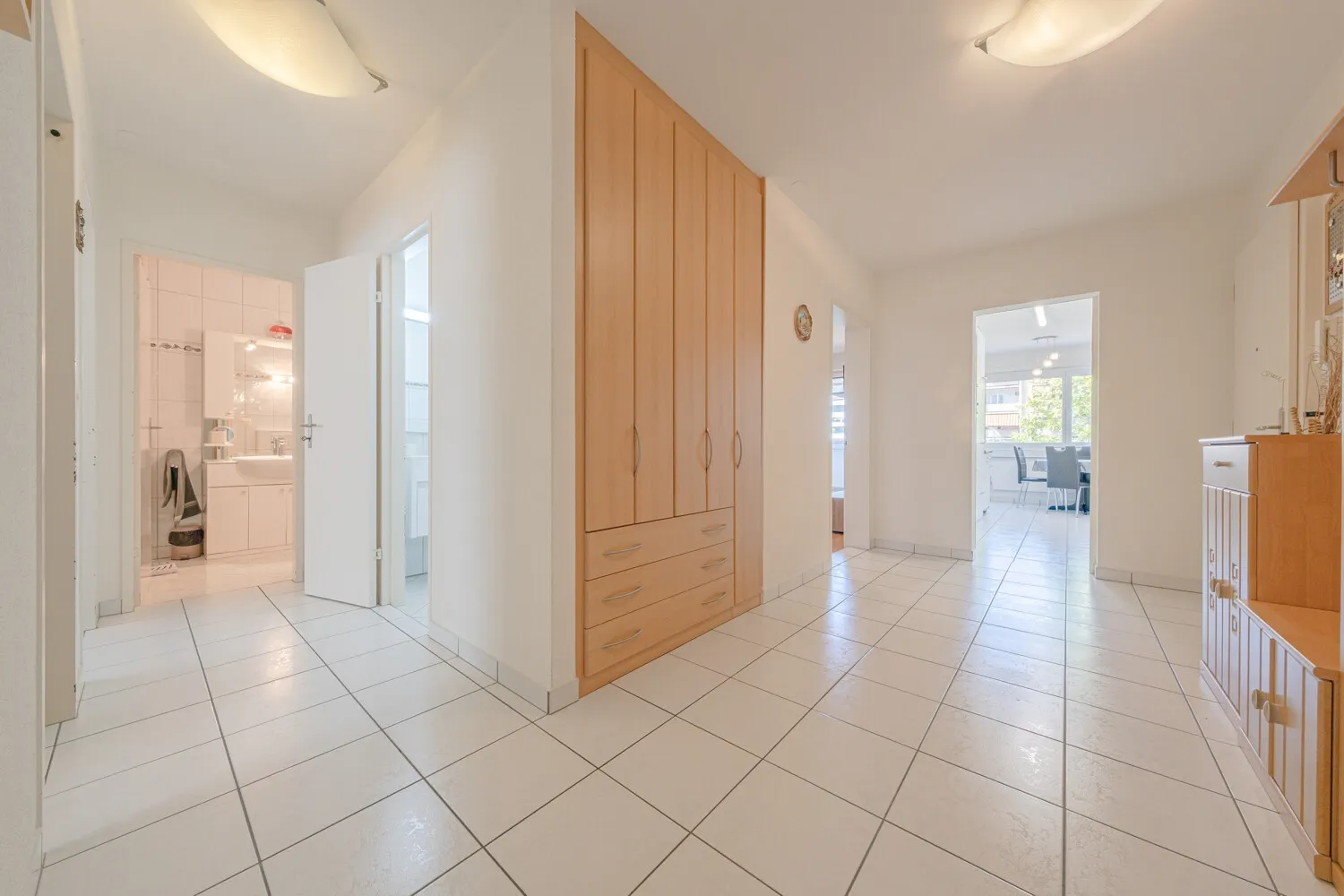
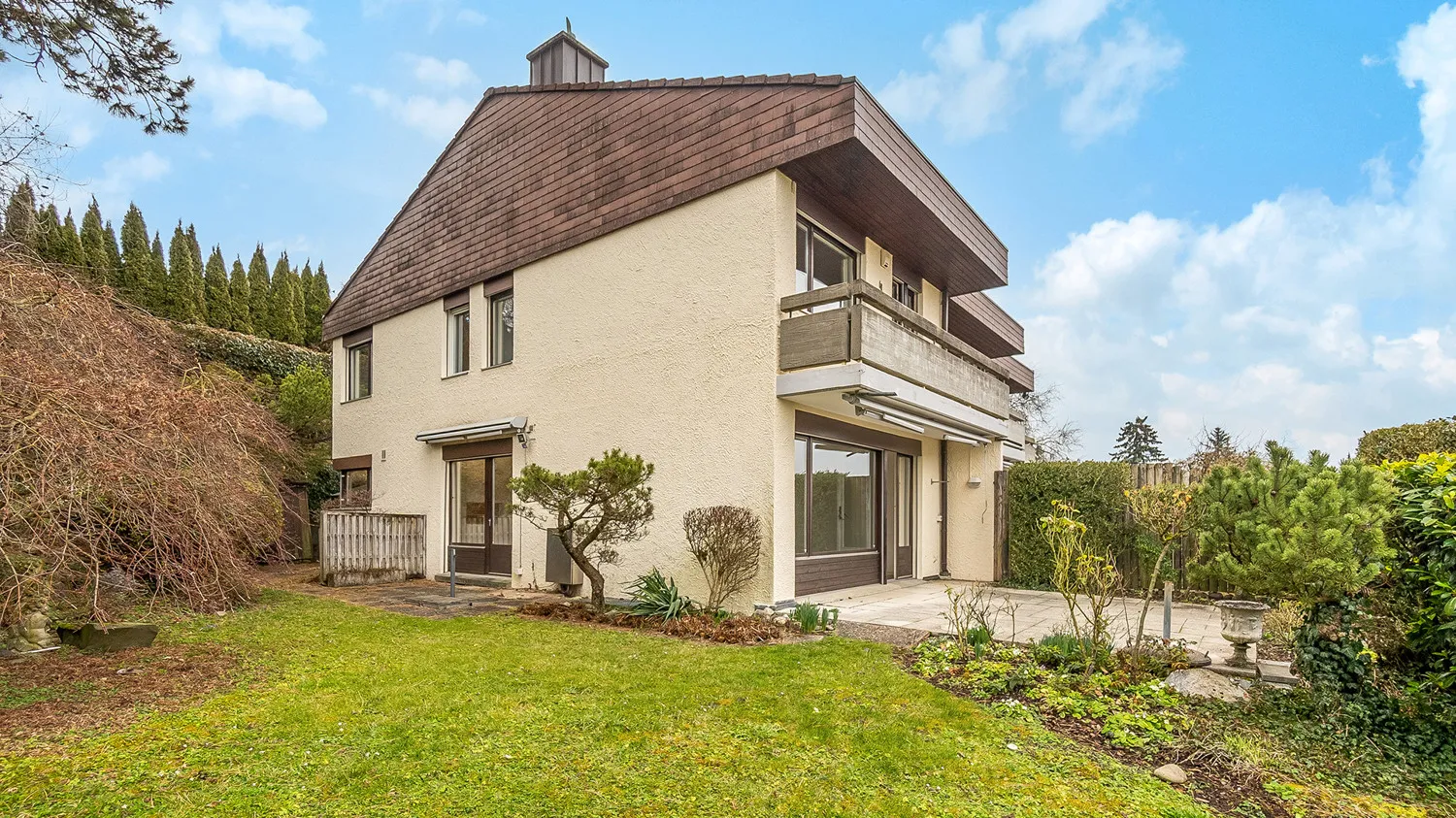
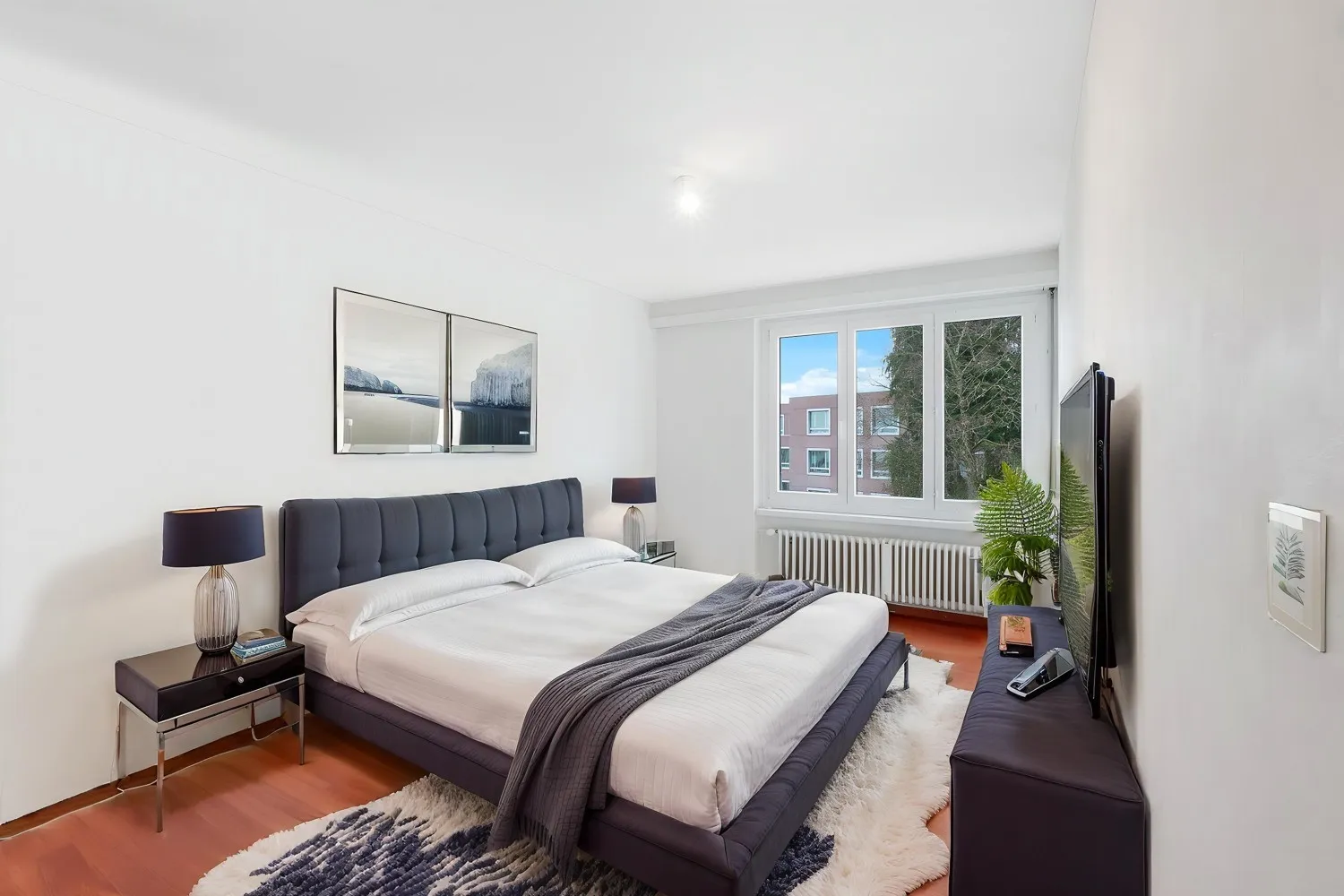
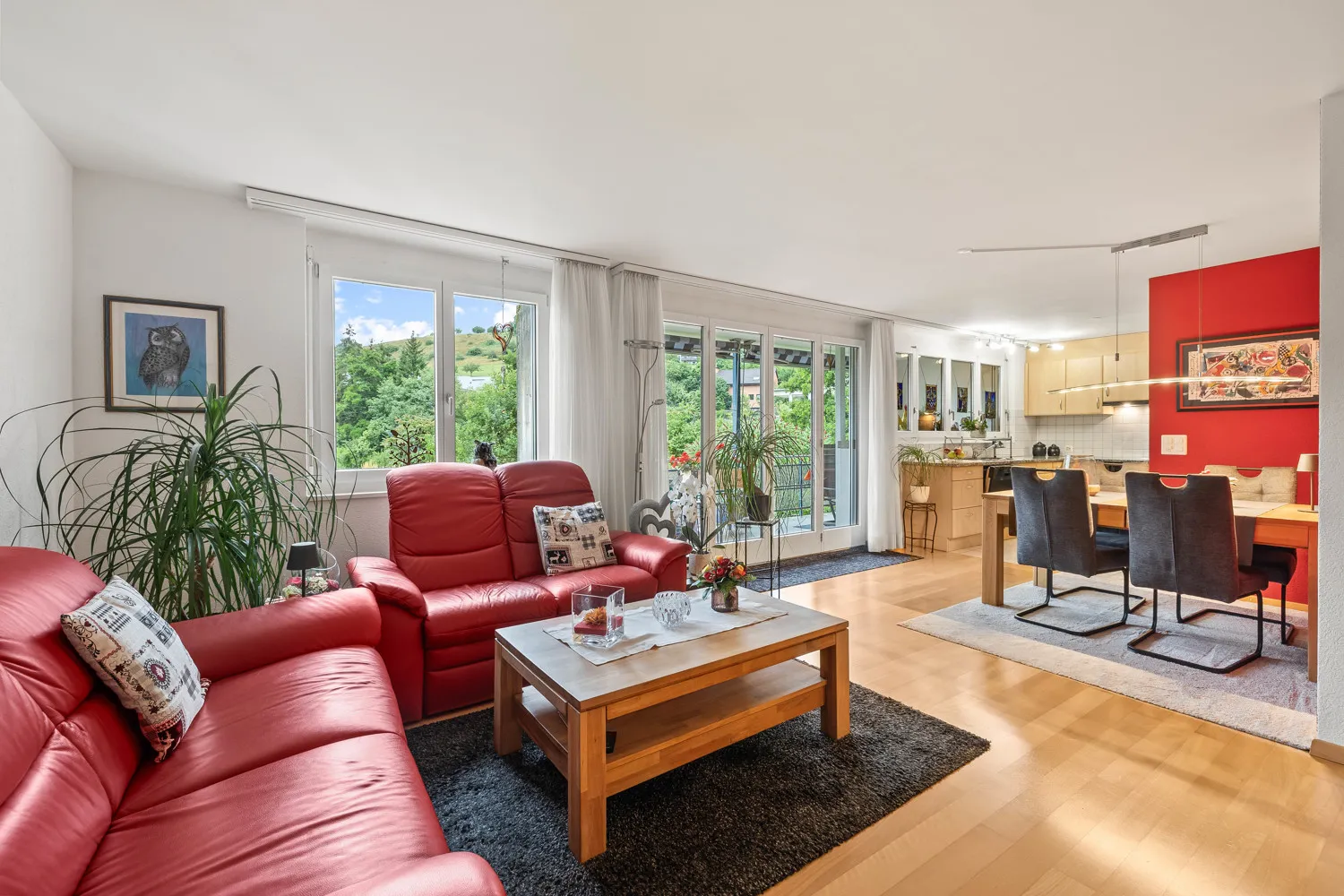
Properties for sale in Switzerland from realestateabroad.com and developers. Buying property does not by itself qualify for this programme.
CHF 630,000
Helle & moderne 4.5-Zimmer-Wohnung in Stein AG
4332 STEIN AG (CHE)
CHF 1,520,000
Modernes Einfamilienhaus in Stein AG: Ihr neues Zuhause zum Wohlfühlen
4332 STEIN AG (CHE)
CHF 820,000
Helle 4,5-Zimmer-Wohnung mit Balkon und Tiefgaragenstellplatz.
4055 BASEL (CHE)
CHF 1,690,000
Exklusives Einfamilienhaus mit Pool, Weitblick an sonniger Hanglage
4460 GELTERKINDEN (CHE)
CHF 1,920,000
***RESERVIERT*** Gemütliches 4.5-Zimmer Reiheneckhaus mit gepflegtem Garten – ideal für Paare
8704 HERRLIBERG (CHE) – ZÜRICH
CHF 1,080,000
Gemütliche 3.5 Zimmer Attikawohnung in ruhiger Lage
8810 HORGEN (CHE) – HORGEN, BEZIRK HORGEN
CHF 470,000
Historisches Einfamilienhaus im Dorfkern von Zizers
7205 ZIZERS (CHE) – ZIZERS, BEZIRK LANDQUART
CHF 780,000
Ankommen und Wohlfühlen – ruhige Wohnung mit Balkon
4312 MAGDEN (CHE) – AARGAU
CHF 2,350,000
RESERVIERT - Wunderschöne Landhausvilla mit Gästehaus & Swimming Pool & Säntisblick
9213 HAUPTWIL (CHE) – HAUPTWIL-GOTTSHAUS, BEZIRK WEINFELDEN
CHF 1,050,000
Wohn- und Geschäftshaus mit Entwicklungspotenzial an zentraler Lage in Arisdorf
4422 ARISDORF (CHE)
CHF 850,000
Charmantes Wohn- und Geschäftshaus mit vielseitigem Nutzungspotenzial in Sissach
4450 SISSACH (CHE)
CHF 650,000
Modernisiertes Reihenmittelhaus in ruhiger, naturnaher Lage.
4497 RÜNENBERG (CHE)







Related programs
- PortugalOpen (property route closed Oct 2023)Portugal permanent residency by investment
Minimum investment: €500k fund / €250k culture donation (€200k low-density)
- GreeceOpen (zone thresholds since Sep 2024; transfer-tax rise announced)Greece golden visa
Minimum investment: €250k conversion/listed building · €400k regions · €800k Attica, Thessaloniki & large islands
- MaltaOpen (MPRP, fees reformed July 2025)Malta golden visa properties
Minimum investment: €99,000 fees + €375,000 property or €14,000/yr rent
- HungaryOpen – political review risk after the April 2026 electionHungary golden visa properties
Minimum investment: €250,000 real estate fund (5-year hold) / €1,000,000 university donation
- ItalyOpen (thresholds unchanged since 2020; Russia/Belarus suspended)Italy business investor visa
Minimum investment: €250k innovative startup · €500k Italian company · €1M donation · €2M government bonds
- CyprusOpen (criteria of May 2023; tightening announced Sep 2026)Cyprus business investor visa
Minimum investment: €300,000 (new home + VAT, commercial property, company or fund) + €50,000/yr income
Comparisons that cover this program
Sources
- 1.Rundschreiben: Ausgleich der Folgen der kalten Progression sowie Zinssätze bei der direkten Bundessteuer für das Steuerjahr 2026 (11 Sep 2025) – Swiss Federal Tax Administration (ESTV)Official source (October 2, 2026)
- 2.Weisungen und Erläuterungen Ausländerbereich (Weisungen AIG), Stand 15 June 2026 – State Secretariat for Migration (SEM)Official source (October 2, 2026)
- 3.Residing in Switzerland without gainful activity (AFMP factsheet) – State Secretariat for Migration (SEM)Official source (October 2, 2026)
- 4.Besteuerung nach dem Aufwand (Pauschalbesteuerung) – Canton of Lucerne, Dienststelle SteuernOfficial source (October 2, 2026)
- 5.Feuille cantonale Genève: imposition d'après la dépense (période fiscale 2026) – ESTV / Administration fiscale cantonale GenèveOfficial source (October 2, 2026)
- 6.Feuille cantonale Vaud: imposition d'après la dépense – ESTV / Administration cantonale des impôts VaudOfficial source (October 2, 2026)
- 7.Feuille cantonale Valais: imposition d'après la dépense (état février 2026) – ESTV / Service cantonal des contributions ValaisOfficial source (October 2, 2026)
- 8.Foglio cantonale Ticino: imposizione globale secondo il dispendio – ESTV / Divisione delle contribuzioni TicinoOfficial source (October 2, 2026)
- 9.Kantonsblatt Zug: Besteuerung nach dem Aufwand – ESTV / Steuerverwaltung Kanton ZugOfficial source (October 2, 2026)
- 10.Kantonsblatt Schwyz: Besteuerung nach dem Aufwand – ESTV / Steuerverwaltung Kanton SchwyzOfficial source (October 2, 2026)
- 11.Kantonsblatt Luzern: Besteuerung nach dem Aufwand (Steuerperiode 2026) – ESTV / Dienststelle Steuern LuzernOfficial source (October 2, 2026)
- 12.Kantonsblatt Bern: Besteuerung nach dem Aufwand – ESTV / Steuerverwaltung Kanton BernOfficial source (October 2, 2026)
- 13.Kantonsblatt Graubünden: Besteuerung nach dem Aufwand (Steuerperiode 2026) – ESTV / Steuerverwaltung GraubündenOfficial source (October 2, 2026)
- 14.Feuille cantonale Fribourg: taxation selon la dépense – ESTV / Service cantonal des contributions FribourgOfficial source (October 2, 2026)
- 15.Feuille cantonale Neuchâtel: imposition d'après la dépense – ESTV / Service des contributions NeuchâtelOfficial source (October 2, 2026)
- 16.Ordinary naturalisation – State Secretariat for Migration (SEM)Official source (October 2, 2026)
- 17.Acquisition of property by foreign non-residents (Lex Koller) – Federal Office of Justice (FOJ)Official source (October 2, 2026)
- 18.Merkblatt 2.03: Beiträge der Nichterwerbstätigen an die AHV, die IV und die EO (Stand 1 January 2026) – AHV/IV InformationsstelleOfficial source (October 2, 2026)
- 19.Erbschafts- und Schenkungssteuer: Volksinitiative «Für eine Zukunft» (vote of 30 Nov 2025) – Federal Department of Finance (EFD)Official source (October 2, 2026)
- 20.Lump-sum taxation in Switzerland – KPMG Switzerland (October 2, 2026)
- 21.Pauschalsteuern: ESTV publiziert Kreisschreiben Nr. 44 – LAW.CH (October 2, 2026)
- 22.Immer weniger Pauschalbesteuerte, aber trotzdem mehr Steuereinnahmen – Blick (October 2, 2026)
- 23.How Swiss inheritance taxes compare internationally – SWI swissinfo.ch (October 2, 2026)
- 24.Bundesrat setzt Abschaffung des Eigenmietwerts auf 2029 in Kraft – T+R AG (October 2, 2026)
- 25.Initiative zur Abschaffung der Pauschalbesteuerung (vote 587, 30 Nov 2014) – Swissvotes (Année Politique Suisse, University of Bern) (October 2, 2026)
- 26.Swiss residence permit by lump-sum taxation – Richmond Chambers Switzerland (October 2, 2026)
- 27.Die 5 magischen Wege zur Schweizer Aufenthaltsbewilligung – Lindemann Rechtsanwälte (October 2, 2026)
- 28.Bundesrat setzt Abschaffung des Eigenmietwerts auf 2029 in Kraft (1 April 2026) – Swiss Federal CouncilOfficial source (October 2, 2026)
- 29.Briefing 28. September 2025: Reform der Wohneigentumsbesteuerung – Bär & Karrer (October 2, 2026)
- 30.Feuille cantonale Jura: imposition d'après la dépense (état février 2026) – ESTV / Service des contributions JuraOfficial source (October 2, 2026)
- 31.Kantonsblatt Thurgau: Besteuerung nach dem Aufwand (Stand Februar 2026) – ESTV / Steuerverwaltung ThurgauOfficial source (October 2, 2026)
- 32.Anhang 1: Übersicht über die kantonalen Höchstgebühren (GebV-AIG) – State Secretariat for Migration (SEM)Official source (October 2, 2026)
This page is general information, not legal, tax or financial advice. Program rules change often; confirm every figure with the official authority or a licensed adviser before you invest.