Hong Kong New CIES Tops 5,000, Expected Investment Exceeds HK$150 Billion
· Golden Visa Newsroom · 3 min read
Hong Kong’s New Capital Investment Entrant Scheme has passed 5,000 applications, with more than 3,000 applicants having completed their investments and received formal approval by the end of October, according to IMI Daily.
“no single silver bullet” — Stephen D. Barnes, co-founder of Hong Kong Visa Centre.
How many applications have been received?
Financial Services and the Treasury Secretary Christopher Hui said the scheme could bring more than HK$150 billion into Hong Kong. His calculation assumes an investment of HK$30 million for every application and the approval of every application.
| Key figure | Value |
|---|---|
| Applications by November 13, 2026 | More than 5,000 |
| Formal approvals by end-October 2026 | More than 3,000 |
| Potential investment if all applications are approved | More than HK$150 billion |
| Assumed investment per application | HK$30 million |
| First-year applications | 918 |
| Second-year applications | 2,248 |
| Second-year application growth | 145% |
| Applications in the first two years | 3,166 |
New CIES opened in March 2024 with 918 applications in its first year; 2,248 applications in the second year brought the total to 3,166. The Immigration Department had granted formal approval to 341 applications by the end of February 2025. InvestHK’s June 18, 2026 count stood at 3,967 applications, of which 2,377 had received formal approval.
Expected investment increased from more than HK$27 billion by the end of February 2025 to about HK$95 billion a year later and approximately HK$108 billion by the end of April 2026. Earlier in April, Hui had put the figure at HK$99 billion. Neither completed year reached those levels.
Before receiving final authorisation, applicants secure preliminary acceptance from the Immigration Department, allowing visitor entry to Hong Kong for as long as 180 days while they complete the required investment. Land said the difference between applications and final decisions does not represent a processing backlog.
Why are families choosing New CIES?
Barnes said April’s tougher entrepreneur visa requirements have been the largest factor behind the increase in New CIES applications since that month. He said clients pursuing the entrepreneur route now face more onerous operational requirements and are choosing New CIES instead.
Land reported that the conversation among prospective investors has changed. In 2022, his clients were deciding whether they should leave Hong Kong; now, families from the mainland, Southeast Asia and the Middle East want to know how they can enter. Land has worked in Hong Kong for 19 years.
Which rules change from November 1?
Net Asset Assessment applications filed on or after November 1, 2026, are subject to tighter requirements. Holdings in non-designated accounts have been excluded from the amount eligible for the investment requirement.
According to the official New CIES website, transfers of financial assets from non-designated accounts to designated accounts are not accepted. Qualifying assets for the committed investment must pass through designated accounts.
Barnes said the change affects applicants who already hold eligible assets in Hong Kong. Those applicants could have to sell holdings in their existing accounts, transfer the proceeds into a newly designated account and repurchase the assets.
Related programme coverage includes changes elsewhere and a separate permit-warning case.
Is the scheme changing investors’ relocation plans?
Barnes described much of the programme as a means of moving portfolios and parking liquidity rather than creating jobs directly. He also said private wealth managers are actively selling the product.
Hong Kong Investment Corporation manages the CIES Investment Portfolio, which receives HK$3 million of the required HK$30 million. That represents 10% of the potential investment and supports innovation and technology development. The remaining HK$27 million may be placed in permissible financial assets and/or property.
Hui said Hong Kong should offer stocks, bonds and precious metals as entry points for diversified asset allocation (The Standard 英文虎報). He cited offshore-yuan “Dim Sum Bonds,” which surpassed US dollar bonds for the first time in issuance percentage as of September.
Hong Kong Investment Corporation Chief Executive Clara Chan said the corporation gathers global talent and drives investment sectors through artificial intelligence. She said it selects and trains teams at the large-scale model level and uses AI to drive life sciences, healthcare, green technology and new energy.
Sources
- Hong Kong Investor Visa Passes 5,000 Applications: HK$150 Billion Projected — imidaily.com, 2026-11-25
- HK's New Capital Investment Entrant Scheme received over 5000 applications with potential total investment of $150 billion — thestandard.com.hk, 2026-11-13
More news
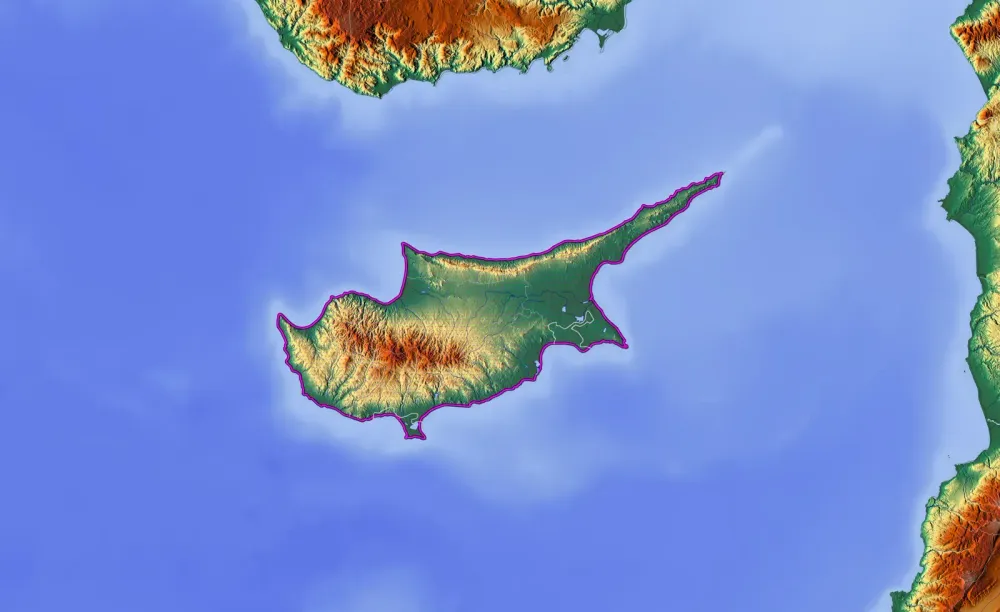
Cyprus Targets Schengen Entry on July 1, 2027, but Approval Remains Pending
Cyprus is targeting Schengen entry on July 1, 2027, but unanimous approval and an unresolved Entry/Exit System question remain. If approved, Cyprus would become the Schengen Area’s 30th member.
UK Immigration and Asylum Bill: Commons Approval Advances Planned Reforms
The UK Immigration and Asylum Bill has cleared its Commons Third Reading by 290-94. The proposed package includes faster removals after failed appeals, a new independent appeals authority and tighter rules for modern slavery claims.
Will the UK Create an Investor Visa After Advisers Reject the Proposal?
Britain’s Migration Advisory Committee recommended against a new route for wealthy investors and called for the abolition or fundamental redesign of the Innovator Founder visa. The recommendations remain advisory.