What Does Canada’s 2027 Immigration Plan Mean for Permanent Residence?
· Golden Visa Newsroom · 3 min read
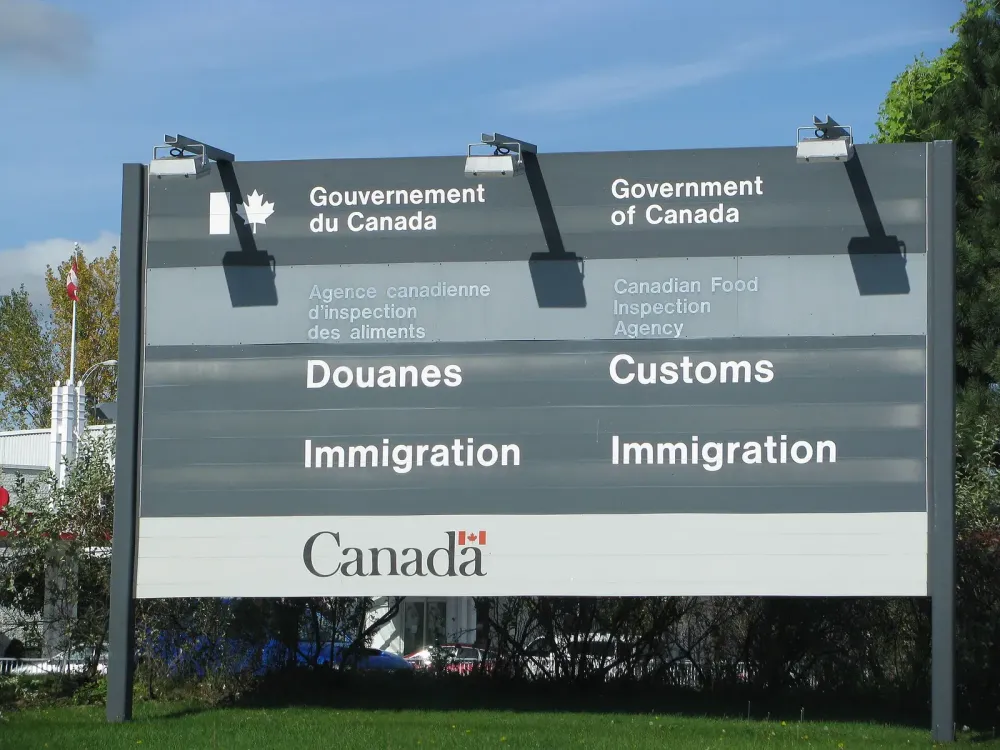
Canada’s immigration department detailed how it will allocate up to 100,000 additional permanent-residence spaces for eligible family and humanitarian applicants in 2027 (CIC News). Immigration, Refugees and Citizenship Canada published the breakdown on November 10, 2026, as part of broader 2027 transition measures that include 200,000 additional spaces beyond the annual target. IRCC said all of these additional spaces are intended for people already living in Canada who have already applied for permanent residence.
Fact box
- The additional spaces are part of the 2027 transition measures and sit on top of the annual target.
- The annual permanent-resident target is 380,000.
- Up to 200,000 additional permanent-residence spaces are planned for 2027.
- The annual new temporary-resident arrival target is 370,000.
380,000 permanent-resident admissions remain the baseline
IRCC’s supplementary information for the 2027–2029 Levels Plan states that overall permanent-resident admissions will remain at 380,000 for all three years. The plan also holds new temporary-resident arrivals at 370,000 annually, covering new workers and students rather than permit extensions or applications from people already in Canada.
Economic immigration remains the largest permanent-residence category, with 244,700 admissions annually, or 64.4% of the total, according to The Hindustan Times. The remaining annual allocation comprises 81,000 family-class admissions, 49,300 refugees and protected persons, and 5,000 humanitarian and compassionate admissions.
100,000 family and humanitarian spaces are detailed
IRCC’s November 10 breakdown listed expected top-line admissions of 32,000 through the Hongkonger pathways, 18,800 through the Ukraine Family Reunification Pathway, 45,000 for spouses, common-law partners and dependent children of Canadian citizens and permanent residents, and 12,600 for approved-in-principle humanitarian and compassionate applicants.
The department aims to process all remaining applications under the Hongkonger pathways and the Ukraine Family Reunification Pathway during 2027. Applicants covered by this acceleration do not need to take any action to have their applications processed under the initiative, IRCC said.
The additional allocations form part of the government’s 2027 transition measures. They sit on top of the 380,000 annual permanent-resident target and are separate from two one-time initiatives introduced in 2026.
Another 100,000 spaces involve provincial programs
The remaining 100,000 additional spaces are for in-Canada workers and their family members and will be allocated with provinces and territories through the Provincial Nominee Program. The official supplementary information describes this as the workers’ cohort, while the second cohort covers people in Canada who have waited many years for a transition to permanent residence.
Annual Provincial Nominee Program admissions are set to increase from 92,500 to 95,000 under the new plan. The Atlantic Immigration Program allocation will rise from 4,000 to 6,000, while the Federal High Skilled category, which includes programs managed through Express Entry, will fall from 111,000 to 100,000.
IRCC will also continue the one-time initiatives announced in Budget 2025 to accelerate the transition of up to 115,000 protected persons in Canada and their dependants, plus 33,000 work permit holders, to permanent residence during 2026 and 2027.
370,000 temporary-resident arrivals stay stable
The temporary-resident target comprises 220,000 workers and 150,000 international students each year. The worker allocation includes 170,000 arrivals under the International Mobility Program and 50,000 under the Temporary Foreign Worker Program.
Across the full plan, workers are expected to account for approximately 60% of new temporary-resident arrivals and students approximately 40%. IRCC also set French-speaking permanent-resident targets outside Quebec at 9.5% in 2027, 10.5% in 2028 and 12% in 2029.
Program allocations shift toward provincial channels
The revised 2027 figures move more permanent-residence capacity toward provincial and regional immigration channels. They also reduce the Federal High Skilled allocation, including programs delivered through Express Entry.
For readers tracking related policy changes, Golden Visa covers how a residence-permit investigation can affect applicants and an investment-led route to permanent residence.
Fragomen said the revised allocations would remain unchanged across all three years of the plan.
Sources
- Canada unveils breakdown of 100,000 additional permanent residence spaces — cicnews.com, 2026-11-11
- Canada announces immigration plan for 2027–2029, adds ... — hindustantimes.com, 2026-11-07
- Supplementary Information for the 2027-2029 Immigration ... — canada.ca, 2026-11-05
More news
Portugal’s 20-Day Departure Warning Follows Permit Cancellation Warning
Portugal’s government says foreign nationals who engage in disorderly conduct during housing demonstrations may have residence permits cancelled, potentially leading to departure within 20 days. Return orders are not part of the warning.

Who Qualifies for Dubai’s Invitation-Only Five-Year Tourism Visa?
Dubai’s new invitation-only Dubai Access Club pairs a five-year multiple-entry visitor visa with credits, discounts and a free SIM card for selected repeat visitors.
New Brunswick AIP: 203 Candidates Selected for Processing
New Brunswick selected 203 workers for processing under the Atlantic Immigration Program in draws on October 2, 9 and 29, 2026. The province has now selected 898 candidates across nine rounds.