UK Immigration and Asylum Bill: Commons Approval Advances Planned Reforms
· Golden Visa Newsroom · 3 min read
Key takeaways
- The Immigration and Asylum Bill cleared the Commons Third Reading by 290-94 and will move to the House of Lords.
- A proposed amendment would replace the current five-working-day minimum notice for removals after failed appeals with a six-month removal period.
- Nearly 80% of National Referral Mechanism referrals last year involved people subject to immigration controls, including 4,526 referrals involving people in detention.
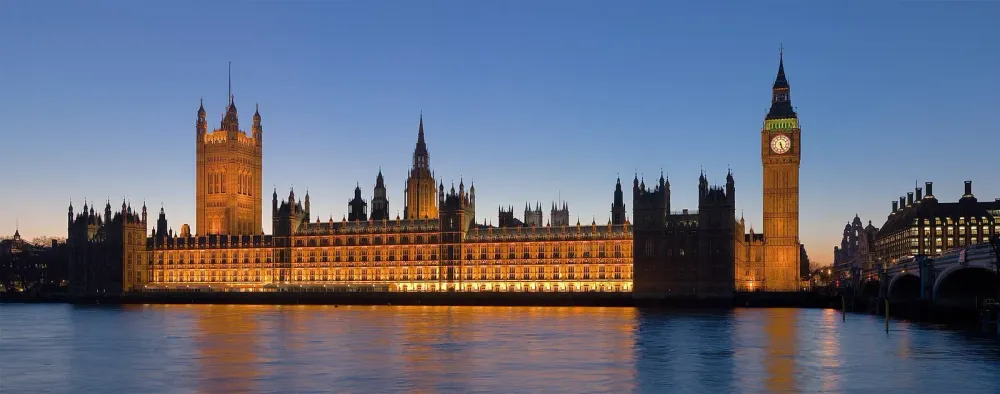
Families, asylum seekers and people subject to UK immigration controls are directly affected by proposed changes to failed claims and removals. Following approval in the Commons, the Immigration and Asylum Bill is heading to the House of Lords, according to the Home Office announcement.
What has the Commons approved?
The bill passed with 290 votes to 94, a majority of 196, and will now go through its next stage in the House of Lords. The package covers asylum decisions, appeals, returns, modern slavery protections and the use of taxpayer-funded support.
The government also introduced amendments intended to strengthen the bill before it reaches the Lords.
Home Secretary Shabana Mahmood called the bill a crucial next step, saying it would accelerate asylum decisions, close exploited loopholes and remove people who had no right to be in the UK.
What changes after an unsuccessful appeal?
The proposed amendment would allow Immigration Enforcement to remove a person whose asylum or immigration appeal has been unsuccessful without issuing another notice period. Currently, enforced returns require a notice period of at least 5 working days.
Under the amendment, officers would instead be granted a 6-month period to remove failed asylum seekers and people who are in the UK illegally. Further notice would then be required if removal had not taken place within that period. The government says the existing notice period can prompt late claims and delay legitimate removals.
The bill would also establish an Independent Immigration Appeals Authority, or IIAA, to handle appeals. The government says it will be able to expand with demand and move unsuccessful cases towards removal.
How will modern slavery protections change?
The bill would define a bad-faith modern slavery claim in law (wired-gov.net). People would lose eligibility for protections by knowingly making a dishonest claim or by raising modern slavery information after receiving notice of removal. The measures are intended to encourage early disclosure and reduce improper use of the system.
According to Home Office data supplied with the bill, nearly 80% of referrals to the National Referral Mechanism last year involved people subject to immigration controls. A quarter of those referrals, 4,526, involved individuals in detention.
Of those referred to the modern slavery system while detained the previous year, nearly 80% were not ultimately identified as victims. The government says it remains committed to ensuring that National Referral Mechanism decisions are robust and support the people it is intended to identify.
What other measures are included?
The bill contains several previously announced measures:
- The package would create a system under which asylum seekers who receive taxpayer-funded accommodation and other support must contribute toward those costs when financially able.
- Refugee status and humanitarian protection would be merged under one definition of a protection claim, intended to simplify decisions and appeals.
- The bill would clarify how Article 8 of the European Convention on Human Rights applies, with the stated aims of reducing inconsistency and ensuring proper weight is given to the public interest.
- The new IIAA is planned, with recruitment for its chair set to begin shortly and the appointment expected by spring 2027.
For related reading, our UK settlement wait analysis and Montenegro visa-free entry update cover other developments in migration and mobility policy.
When is the next formal step?
The bill is due to be introduced in the House of Lords shortly, beginning its next phase through Parliament. Recruitment for an IIAA chair is likewise expected to start shortly, with the appointment anticipated for spring 2027, so the chair can help shape the authority independently of the Home Office.
Sources
- Home Secretary's landmark immigration reforms clear latest hurdle — gov.uk, 2026-11-18
- Home Secretary's landmark immigration reforms clear latest hurdle — wired-gov.net, 2026-11-18
More news

Will the UK Create an Investor Visa After Advisers Reject the Proposal?
Britain’s Migration Advisory Committee recommended against a new route for wealthy investors and called for the abolition or fundamental redesign of the Innovator Founder visa. The recommendations remain advisory.

Newfoundland and Labrador: 95 Invitations Across November Draws
Newfoundland and Labrador issued invitations under two immigration programmes, but its latest report contains conflicting figures for the November 9 draw. Selected candidates have up to 30 days to apply.
Canada’s Northwest Territories Raises 2026 Nominee Allocation to 350
The Northwest Territories Nominee Program will add 50 nominations for 2026, taking its annual allocation to an all-time high of 350 and prompting another Employer-Driven Stream draw.